
Zanzibar vs. Other Tropical Destinations For Real Estate Investments

Zanzibar is on many investors’ radar right now - not only because of its beaches and culture, but because the island feels like it’s moving into a new phase. Tourist arrivals have jumped to record levels in recent years, with major brands like Four Seasons and Anantara confirming new openings. And unlike other island markets where prices surged a decade ago, Zanzibar still offers an early-entry position with room for growth.
But investors rarely look at Zanzibar in isolation. They typically compare it with other warm-weather destinations such as Bali, Mauritius, Costa Rica, Tulum, Dominican Republic and Cape Verde. Each market has its own strengths, and its own limits.
This guide gives a clear side-by-side look at how Zanzibar stacks up
Quick Comparison Table
| Destination | Rental Yields | Ownership Structure | Tourism Strength | Pricing Stage | Notes |
|---|---|---|---|---|---|
| Zanzibar | ~8–17% | 33–99 yr leasehold; full resale + inheritance rights | Fast-rising; record international arrivals | Early-stage | High upside, growing luxury demand |
| Mauritius | ~5–7% | Freehold in approved schemes | Strong, stable | Mature | Safe, premium but expensive |
| Maldives | ~5–8% | Resort leasehold | Ultra-high-end tourism | Mature | Strong ADRs but limited personal use |
| Bali | ~8–15% | Leasehold / Hak Pakai | Very strong | Saturated | Great demand but regulation can shift |
| Costa Rica | ~6–10% | Freehold | Stable + eco-lux appeal | Mid-mature | Reliable but pricier entry points |
| Tulum / Riviera Maya | ~7–12% | Fideicomiso trust | Massive tourism | Volatile | High short-let demand + saturation risks |
| Dominican Republic | ~7–12% | Freehold | Very high, rising | Mid-mature | Value Caribbean play |
| Cape Verde | ~3–7% | Freehold | Steady growth | Early | Lower entry price, slower liquidity |
Zanzibar vs. Mauritius
Rental Returns
Mauritius typically sits around 5-7% gross in prime resort areas.
Zanzibar’s high-end villas, especially in Nungwi/Kendwa, target 8-12%, with projects like Sandbank Villas positioned around 11-17%.
Pricing
Mauritius has seen villa prices increase by over 60% in some segments over recent years.
Zanzibar remains undervalued compared with Mauritius and Seychelles, making the entry point more accessible, with more growth ahead.
Operating and construction costs are 40–50% lower than comparable Indian Ocean markets, which meaningfully improves net returns over time.
Ownership
Mauritius offers freehold, but only within specific foreign-buyer schemes.
Zanzibar offers 33–99 year renewable leasehold with clear resale, rental and inheritance rights.
Tourism Demand
Mauritius has long-standing, fully developed tourism infrastructure.
Zanzibar’s tourism is at an earlier stage and is growing faster, supported by rising direct flights and luxury brands entering the market.
Verdict
If you want stability and don’t mind a higher entry price, Mauritius works. If you prefer growth potential and stronger yields, Zanzibar is clearly ahead.
Zanzibar vs. Maldives
Rental Returns
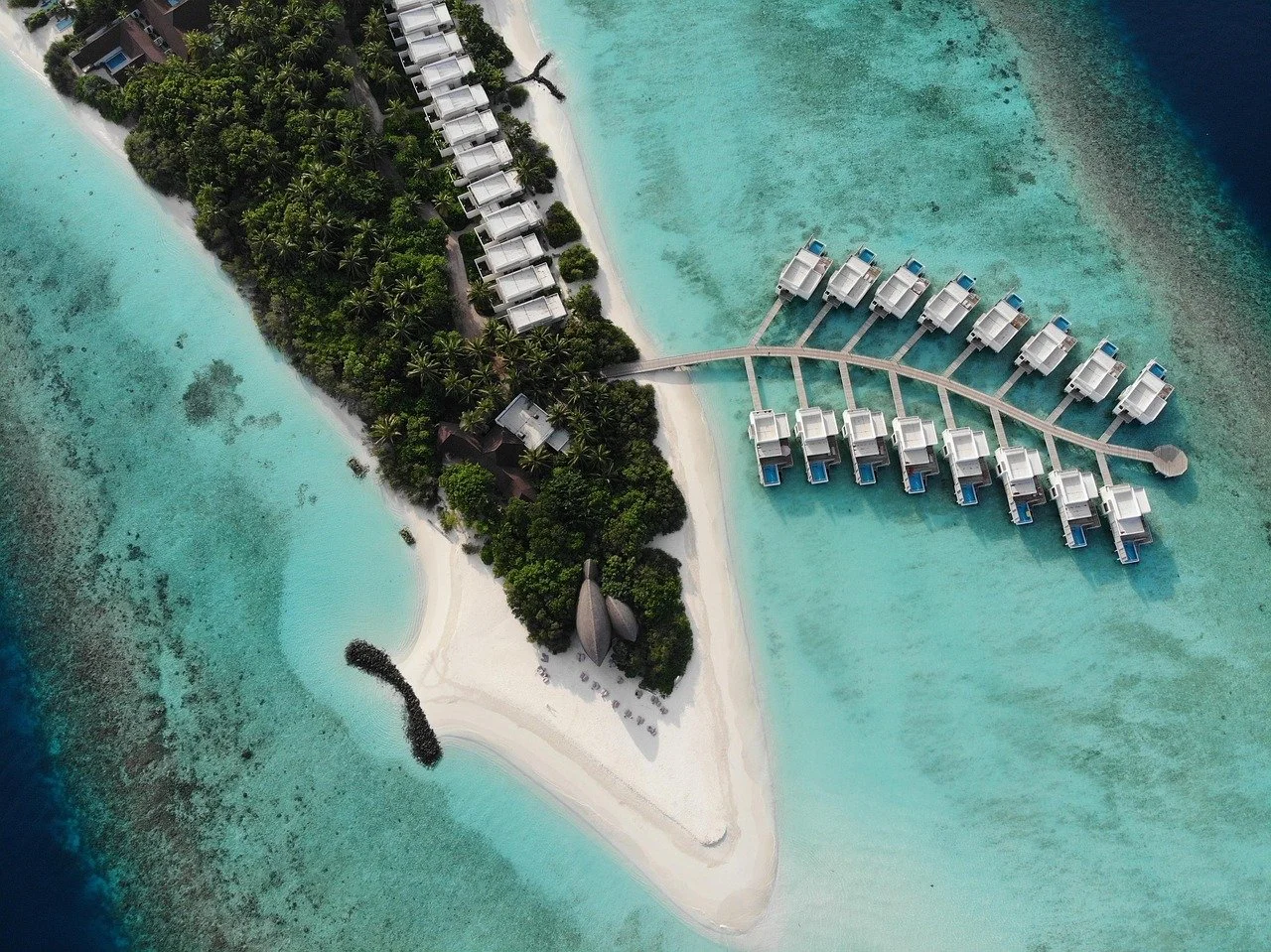
Maldives villas often achieve $1,500–$3,000+ per night, but yields usually sit around 5–8% once management fees are accounted for.
Zanzibar premium villas can reach similar nightly rates during peak periods, especially under high-end operators (villa rates from $1,000+ per night).
Ownership
Maldives offers resort leasehold, not freehold. Owner usage can be limited.
Zanzibar offers full villa ownership (buildings + long-term leasehold land rights).
Tourism
Maldives dominates the ultra-luxury niche.
Zanzibar offers a broader audience: honeymooners, families, divers, and safari extensions - creating more diverse demand.
Verdict
Maldives is ultra-premium and predictable. Zanzibar offers more flexibility, broader demand, and a more usable second home.
Zanzibar vs. Bali
Rental Returns
Bali villas often reach 8–15%, especially in Canggu/Uluwatu.
Zanzibar’s top-tier villas achieve up to 17%, with less saturation and stronger scarcity of luxury beachfront offerings.
Ownership
Bali requires leasehold or Hak Pakai structures, which can be complex for foreign buyers.
Zanzibar’s ownership framework is simpler, with leases up to 99 years and direct title to the villa.
Tourism Conditions
Bali is extremely busy, with crowding and traffic issues.
Zanzibar’s appeal is its quieter, more natural setting, plus the rare sandbank landscape that projects like Sandbank Villas highlight.
Verdict
Bali offers scale and instant demand, but also heavy competition. Zanzibar offers earlier stage growth and a more relaxed environment for both owners and guests.
Zanzibar vs. Costa Rica (Guanacaste)
Rental Returns
Costa Rica generally sits around 6–10% for vacation properties.
Zanzibar’s prime villas are higher in the 11-17% range, especially for luxury beachfront villas due to stronger nightly rates.
Ownership
Costa Rica offers freehold.
Zanzibar offers long-term leasehold with full ownership rights over the villa.
Tourism
Costa Rica’s tourism is well established, especially with US travellers.
Zanzibar tourism is rising fast, especially with European markets - now making up over 70% of visitors.
Verdict
Costa Rica is steady but expensive in premium areas. Zanzibar gives stronger entry pricing and a unique Indian Ocean/safari overlap.
Zanzibar vs. Tulum / Riviera Maya
Rental Returns
Riviera Maya often reports 7–12%+ yields in high-demand areas.
Saturation has increased - hotel occupancy in Tulum dropped to ~49–50% in 2025, down from ~66% the previous year.
Zanzibar has less saturation and rising demand - a better balance for long-term yield stability.
Ownership
Mexico uses the “fideicomiso” trust system for foreign buyers, where a trustee holds and manages property or assets for the benefit of a beneficiary.
Zanzibar offers clear, direct ownership of the villa and renewable leasehold on land.
Tourism
Tulum tourism is huge, but infrastructure strain and environmental issues are rising.
Zanzibar’s infrastructure is expanding at a manageable pace (new roads + airport upgrades).
Verdict
Tulum is high-demand but crowded. Zanzibar provides stronger long-term fundamentals with less volatility.
Zanzibar vs. Dominican Republic (Punta Cana)
Rental Returns
Punta Cana generally achieves 7–12% depending on management and project.
Zanzibar’s luxury segment competes near the upper end of this range, thanks to premium nightly rates.
Ownership
DR offers freehold for foreigners.
Zanzibar offers secure long-term leasehold, with the benefit of ZIPA oversight and straightforward resale.
Tourism
The Dominican Republic welcomed 11.19 million visitors in 2024, a record.
Zanzibar’s numbers are smaller but rising sharply, which suggests stronger early-entry potential.
Verdict
Punta Cana is reliable and mass-market. Zanzibar appeals more to investors looking for boutique, scarcity-driven value.
Zanzibar vs. Cape Verde
Rental Returns
Average Cape Verde yields sit around 5–7%, depending on the island.
Zanzibar’s luxury villa segment significantly outperforms this with yields up to 17%.
Pricing & Liquidity
Cape Verde has a lower entry price but slower resale movement.
Zanzibar’s luxury market is newer but supported by global brands and fast-growing demand.
Tourism
Cape Verde reached ~1.2 million visitors recently.
Zanzibar’s tourism is growing at double-digit rates and benefits from East Africa’s safari circuit.
Verdict
Cape Verde is relaxed and affordable, but growth is slower. Zanzibar offers stronger yields, richer culture and a more dynamic tourism pipeline.
Why Zanzibar Is Becoming a Standout Choice
Across all comparisons, a few themes come through:
1. Strong growth phase, not a finished market
Zanzibar is where Mauritius was about a decade ago: rising flights, new luxury hotels, and early-stage price levels. International arrivals have grown more than 30% year-on-year, making Zanzibar one of the fastest-growing Indian Ocean destinations.
2. Serious luxury momentum
High-end operators, such as Baraza Resort & Spa and The Palms Zanzibar, already achieve $1,000+ nightly rates, which form the foundation of strong ROI.
3. Clear legal framework for foreign buyers
ZIPA-approved developments offer secure titles, long leases, and inheritance rights.
4. Tourism growing fast
International arrivals continue to hit new records, supported by 38 direct flights from global hubs.
5. Scarcity of premium beachfront land
Northern Zanzibar has limited shoreline available - a natural long-term driver of capital appreciation.
Explore Sandbank Villas
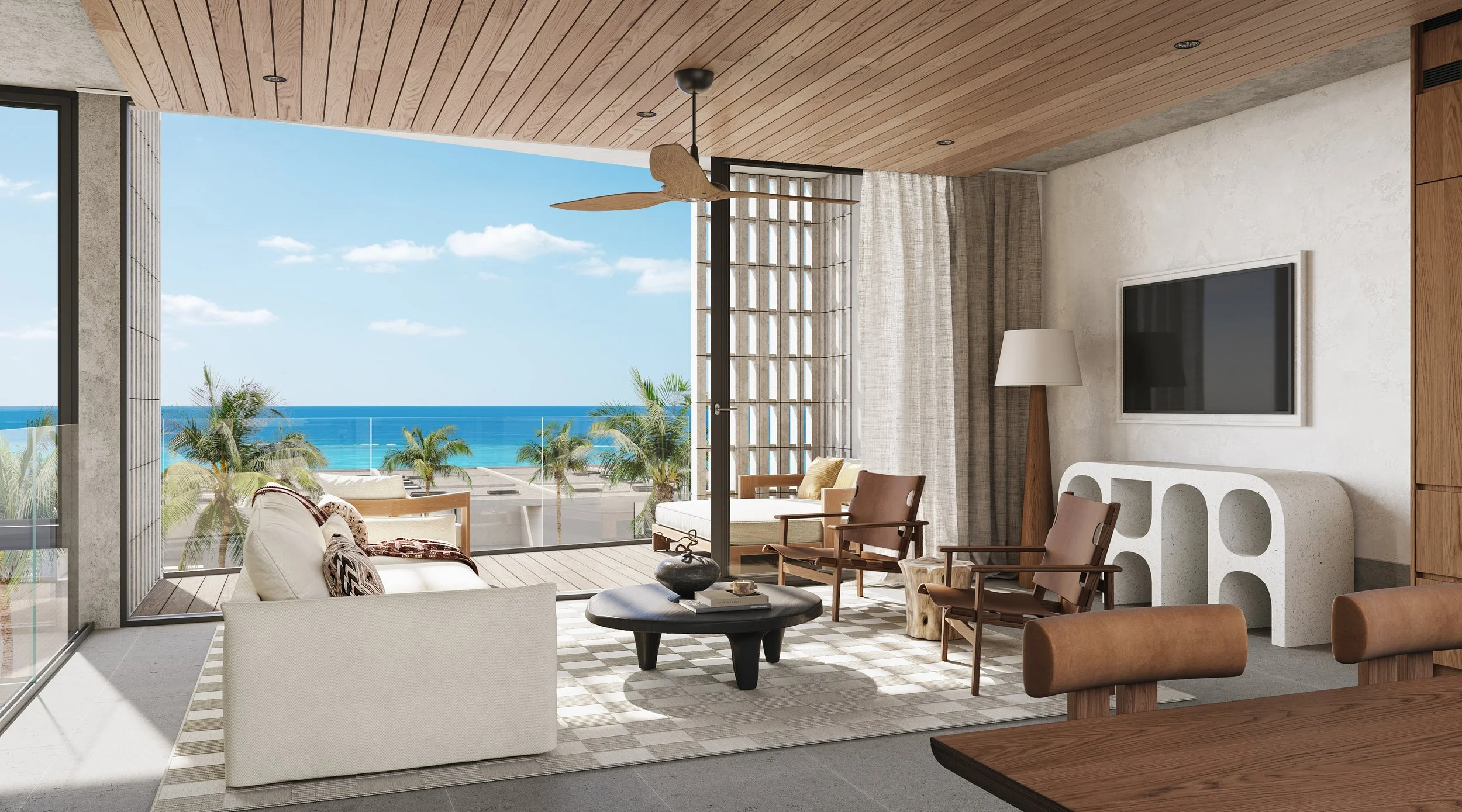
If you’re comparing global beachfront investments, Sandbank Villas offers:
A secure government-approved structure
A five-star resort ecosystem through Zubea
Professional rental management
A rental pool designed for consistent income
One of Zanzibar’s most striking natural settings, overlooking Nungwi’s sandbanks
You can learn more about ownership opportunities here: sandbankvillas.com