
Best African Countries to Invest in Real Estate in 2026
Africa’s real estate story is changing. What was once seen as niche or high risk is now attracting serious, long-term capital from global investors looking for yield, diversification, and early entry into growth markets.
But Africa is not one market. Each country comes with its own rules around ownership, rental income, currency movement, and exit. For investors, the question isn’t where is exciting, but where makes sense right now.
Below, we compare the best African countries to invest in real estate in 2026, based on the things real investors care about most: ownership clarity, rental demand, ease of management, income potential, and long-term upside.
At-a-glance: best African real estate markets for 2026
| Country | Foreign ownership | Rental demand | Yield outlook | Risk profile | Best suited for |
|---|---|---|---|---|---|
| Zanzibar (Tanzania) | Leasehold (up to 99 years) | Very strong | High | Medium | Yield + early entry |
| Mauritius | Scheme-based freehold | Very strong | Medium | Low | Stability & lifestyle |
| Morocco | Freehold (with limits) | Strong | Medium | Medium | Urban + tourism mix |
| South Africa | Freehold | Strong (urban) | Medium | Medium | Liquidity & scale |
| Egypt | Freehold | Large domestic demand | Medium–High | Higher | Scale & value plays |
| Kenya | Leasehold (99 years) | Strong (urban & coast) | Medium | Medium–High | Regional growth |
| Ghana | Leasehold (50 years) | Growing | Medium | Medium | West Africa exposure |
1. Zanzibar (Tanzania) – early-stage growth with real demand
Zanzibar sits at the top of the list not because it is risk-free, but because the balance between risk and reward is unusually strong right now.
Tourism is the main driver. In July 2025 alone, Zanzibar welcomed over 106,000 international visitors, a 55% year-on-year increase, and arrivals have more than doubled in two years. Europe now accounts for over 60% of visitors, with an average stay of seven nights, which supports premium short-term rentals year-round.
Unlike many emerging markets, Zanzibar has also created a clear legal pathway for foreign buyers. International investors can purchase property under a government-regulated leasehold structure, typically 33 years renewable up to 99 years, with full rights to rent, sell, and pass the asset on to heirs, overseen by the Zanzibar Investment Promotion Authority (ZIPA).
What makes Zanzibar stand out in 2026 is timing. Prices for prime beachfront real estate remain well below comparable Indian Ocean destinations like Mauritius or Seychelles, while infrastructure, flight access, and global hotel brands are arriving fast. Four Seasons, Anantara, Le Méridien and Jumeirah have all committed to the island, a strong signal of long-term confidence.
For investors who want hands-off income, professionally managed villa developments are playing a key role. At Sandbank Villas, owners benefit from a full rental management programme, allowing income generation without day-to-day involvement. The project has already been recognised internationally, winning Best Luxury Villa Development in Zanzibar at the 2024 Luxury Lifestyle Awards.
Zanzibar is best suited to investors who understand emerging markets and want yield, lifestyle use, and capital growth in the same asset.
Related reading:
2. Mauritius – stability and structure first
Mauritius remains Africa’s most established international real estate market. It offers political stability, a strong legal system, and structured ownership options for foreigners through IRS, RES, and PDS schemes.
Demand comes from a mix of lifestyle buyers, long-stay expats, and investors seeking capital preservation rather than aggressive growth. Rental yields tend to be more moderate than emerging markets, but income is predictable and banking is straightforward.
The trade-off is entry price. Prime property in Mauritius is now expensive by regional standards, and much of the rapid growth phase has already happened. For 2026, Mauritius suits investors prioritising low friction, long-term holding, and ease of exit, rather than outsized returns.
3. Morocco – tourism scale and urban depth
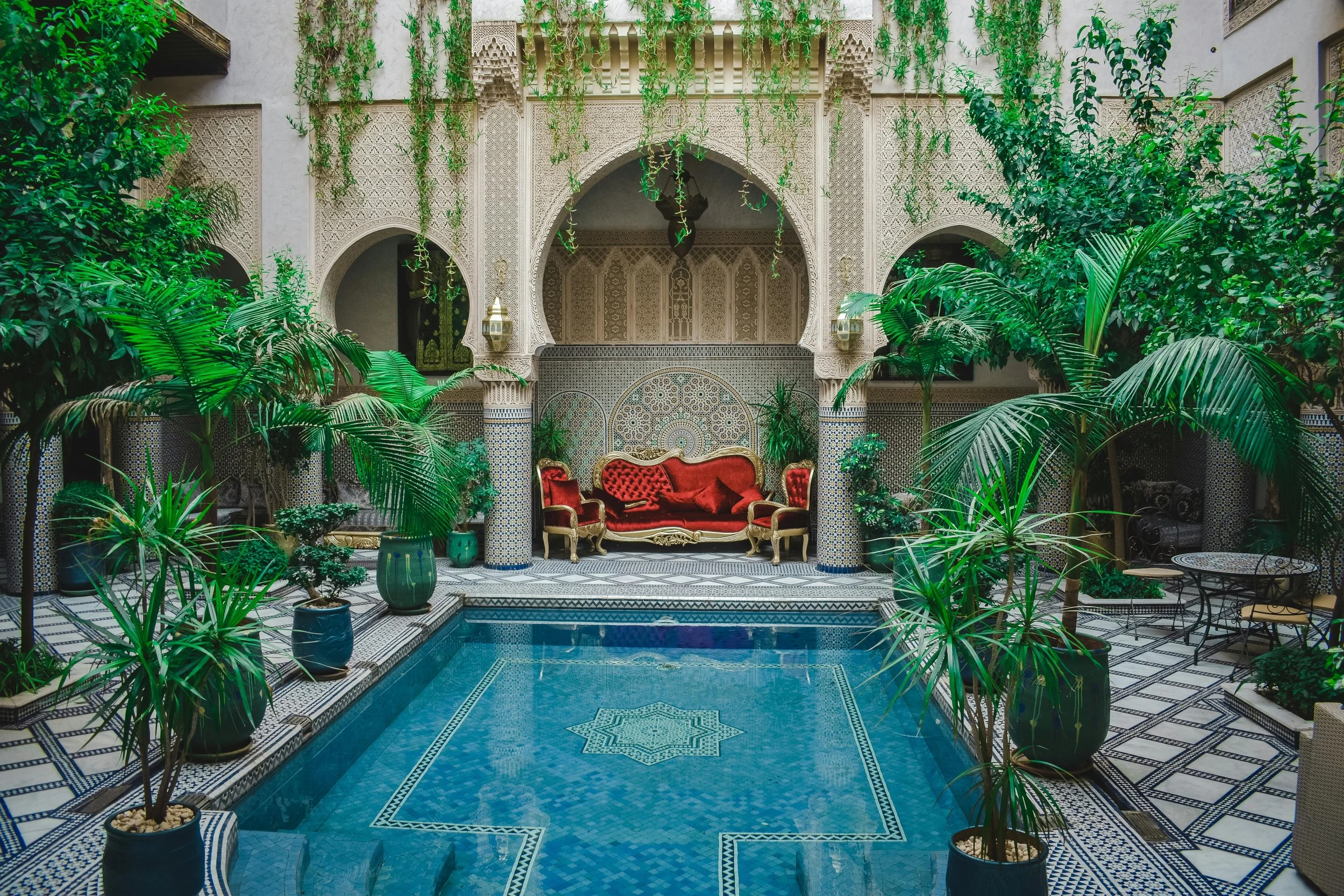
Morocco benefits from two strong demand pillars: large domestic cities and a mature tourism sector. Marrakech, Casablanca, and Tangier all attract different buyer types, from long-term tenants to short-stay visitors.
Foreigners can generally buy freehold property, although agricultural land and certain zones are restricted. Rental demand is consistent, especially in tourist centres, but short-term income can be seasonal.
Morocco works well for investors who want diversification across urban and lifestyle assets, with a clearer legal framework than many emerging African markets, but without the early-entry upside of places like Zanzibar.
4. South Africa – liquidity and market depth
South Africa has Africa’s most developed real estate market. Title systems are robust, transaction processes are familiar to international investors, and there is a deep resale market.
Cities like Cape Town offer strong lifestyle appeal and reliable rental demand, while Johannesburg and Pretoria can deliver higher yields for investors willing to be selective.
The risks are well known: infrastructure pressure, policy uncertainty, and uneven local performance. Still, for investors who value data, comparables, and exit liquidity, South Africa remains a core African market in 2026.
5. Egypt – scale and domestic demand
Egypt offers something few African markets can: sheer scale. A large population, expanding middle class, and mega-developments along the Red Sea and Mediterranean underpin long-term demand.
Foreigners can own property, and prices remain attractive compared to international resort destinations. However, currency volatility, capital controls, and bureaucracy require careful structuring.
Egypt suits investors comfortable with complexity who want exposure to large-scale growth and value opportunities, rather than simple passive income.
6. Kenya – East Africa’s commercial hub
Kenya’s real estate demand is driven by Nairobi’s role as a regional business centre and by established coastal tourism.
Foreign ownership is limited to leasehold titles of up to 99 years, and banking and compliance can be slower than expected. Rental demand is strong in the right locations, but execution matters.
Kenya works best for investors with local knowledge or trusted partners, looking for medium-term growth rather than quick wins.
7. Ghana – steady West African exposure
Ghana continues to attract interest as one of West Africa’s more stable economies. Foreigners can only hold leasehold property, typically capped at 50 years, and the market is still developing.
Accra leads demand, driven by diaspora buyers and corporate tenants. Yields are reasonable, though resale liquidity can be thinner than in Southern or North Africa.
Ghana suits investors seeking measured exposure to West Africa, with realistic expectations around timelines and exits.
Why Zanzibar stands out in 2026
Across Africa, many markets offer either stability or growth. Zanzibar currently offers both elements in rare combination:
Clear, government-backed ownership structures for foreigners
Fast-rising tourism demand with long average stays
Entry prices below comparable global beach destinations
Growing presence of five-star hotel brands
Increasing availability of professionally managed, hands-off investments
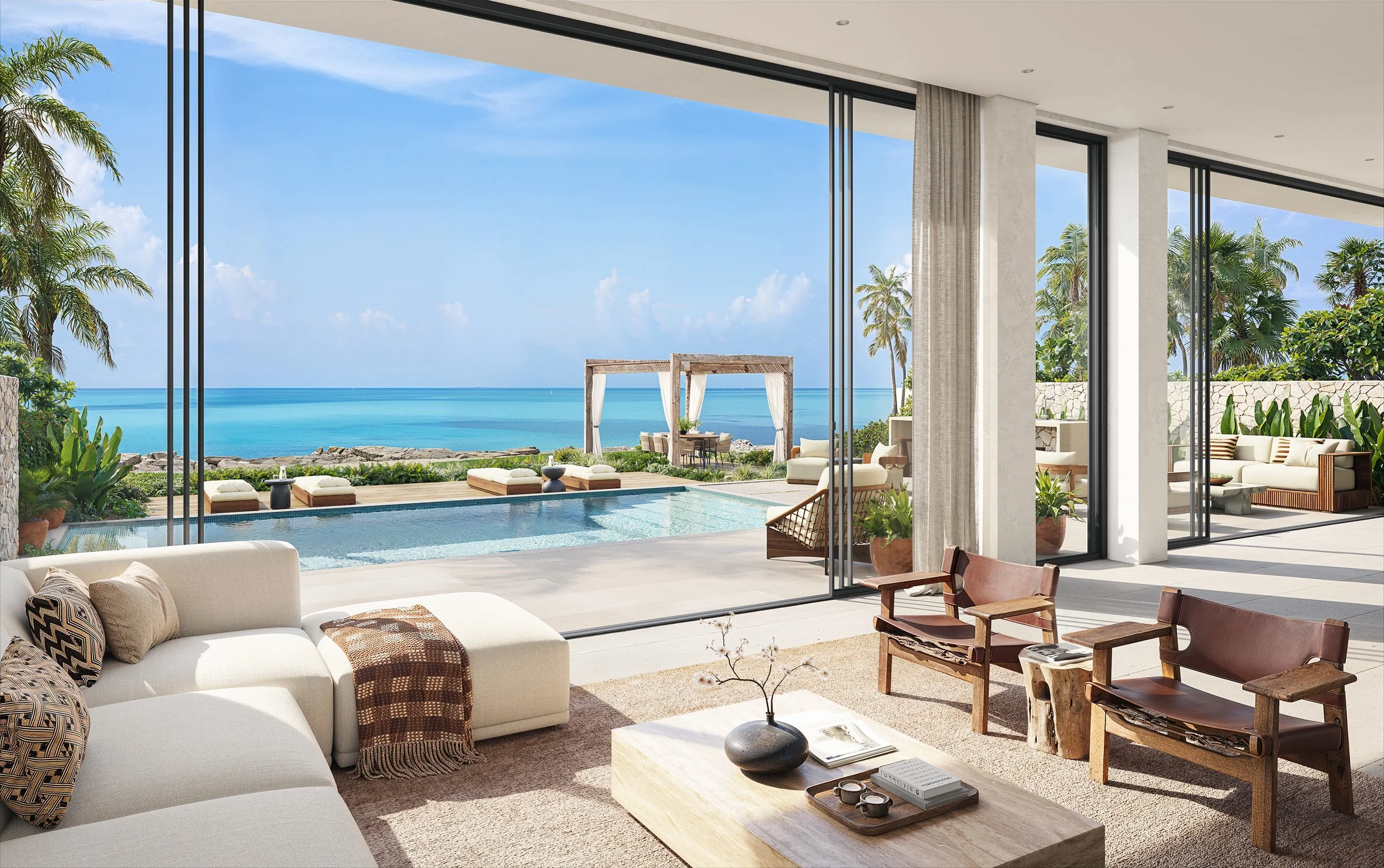
Developments like Sandbank Villas are designed to meet this moment. Located in Nungwi, one of the island’s highest-performing areas, the project combines beachfront villas, resort-grade amenities, and a fully managed rental model, allowing owners to enjoy the property personally while generating income when they are away.
Explore Sandbank Villas
If you’re considering Zanzibar as part of your real estate strategy, Sandbank Villas offers a rare opportunity to invest in a professionally managed beachfront development at a pivotal stage in the island’s growth.
You can explore ownership options and find out more here.